Right after summer break started, we went snorkeling on Okinoshima Island in Tateyama City, Chiba Prefecture.
We went last year and had a blast, so this was a repeat visit for us.
After checking the forecast, I booked a clear, sunny day online.
There seem to be two or three diving shops offering snorkeling tours around Okinoshima, but we went with Marine Snow again, just like last year.
When people think of snorkeling in Japan, places like Okinawa or the Amami Islands usually come to mind, but you can actually do it right here in Chiba’s Minamiboso area, too!
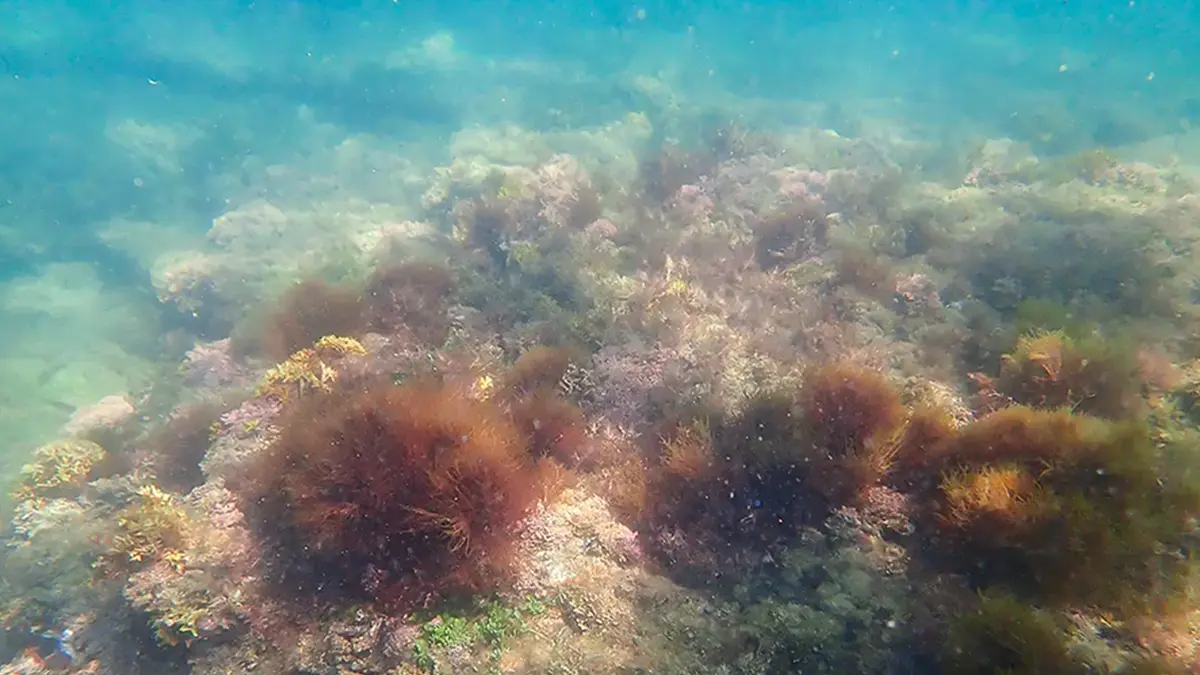
While the ocean isn’t quite as vibrant and colorful as Okinawa’s, this region is said to be the northernmost limit for coral growth—so while it’s not super abundant, you can still spot some! There are also plenty of fish to see.
It’s an easy, accessible getaway—just about a hour and a half’s drive from central Tokyo.
Okinoshima Beach has a free parking area that runs alongside the coastline, but because it’s a popular beach in the Tokyo metropolitan area, it fills up fast.
It gets especially crowded on weekends and holidays, with a high chance of being completely full by 8:00 AM.
On top of that, driving from Tokyo means taking the Tokyo Bay Aqua-Line, which is notorious for traffic jams. Leaving as early as possible is definitely the way to go.
We left home before 5:00 AM and arrived just before 7:00 AM.
There were already lots of anglers around.
Since we got there quite early, we managed to grab a spot close to the beach.
Even so, there were already tons of cars parked in the prime spots right in front of the sand.
I wonder what time those people got there?!
Because the parking lot stretches along the coast, arriving later means you’ll end up parked further and further away from the beach.
If you’re carrying heavy gear like a beach tent, that can be a real hassle.
Okinoshima is an uninhabited, tide-land island with an area of about 4.6 hectares and a perimeter of around 1 km. I only found out later, but apparently, it features submerged Jomon-period ruins from about 8,000 years ago!
I didn’t know at the time, so we missed them. What a bummer…
We’ll definitely give it another shot next year!
夏休みに入ってすぐに、千葉県館山市にある沖ノ島にシュノーケリングに行ってきました。
昨年行ってみて楽しかったので、今回はリピです。
天気予報をチェックして晴れ予報の日をネット予約しました。
沖ノ島のシュノーケリングを催行しているダイビングショップは2~3店あるようですが、昨年と同じマリンスノーにしました。
シュノーケリングというと、日本だと沖縄や奄美諸島などのイメージですが、実は千葉の南房総でもできます。
沖縄ほどカラフルな海というわけにはいきませんが、この辺りは珊瑚の北限だそうで、多くはないけれど見ることができます。
お魚もたくさんいます。
都心から車で1時間半程度でお手軽に楽しめます。
沖ノ島海水浴場には海に沿って続く無料の駐車場がありますが、首都圏では人気の海水浴場のため、すぐに満車になります。
土日祝日は特に混雑し、朝8時には満車の可能性が高いです。
しかも、都心から行くと東京湾アクアラインを通ります。
アクアラインは渋滞しやすいので、とにかく早く出るに限ります。
私たちは5時前に出発し、7時前に到着しました。
釣り人が沢山きていました。
かなり早かったのでビーチから近いところに停めれました。
それでもビーチ目の前の一番近い辺りにはもう沢山の車が停まっていました。
いったい何時にきてるのだろう??
海沿いにつながる駐車場のため、遅くなればなるほどビーチから遠ざかっていきます。
テントなど荷物が多いと大変になります。
沖ノ島は面積約4.6ha周囲約1kmの陸続きの小島で無人島で、後から知りましたが、約8000年前の縄文海中遺跡があるそうです。
今回は知らなかったので見ていません、残念・・・
また来年チャレンジします。
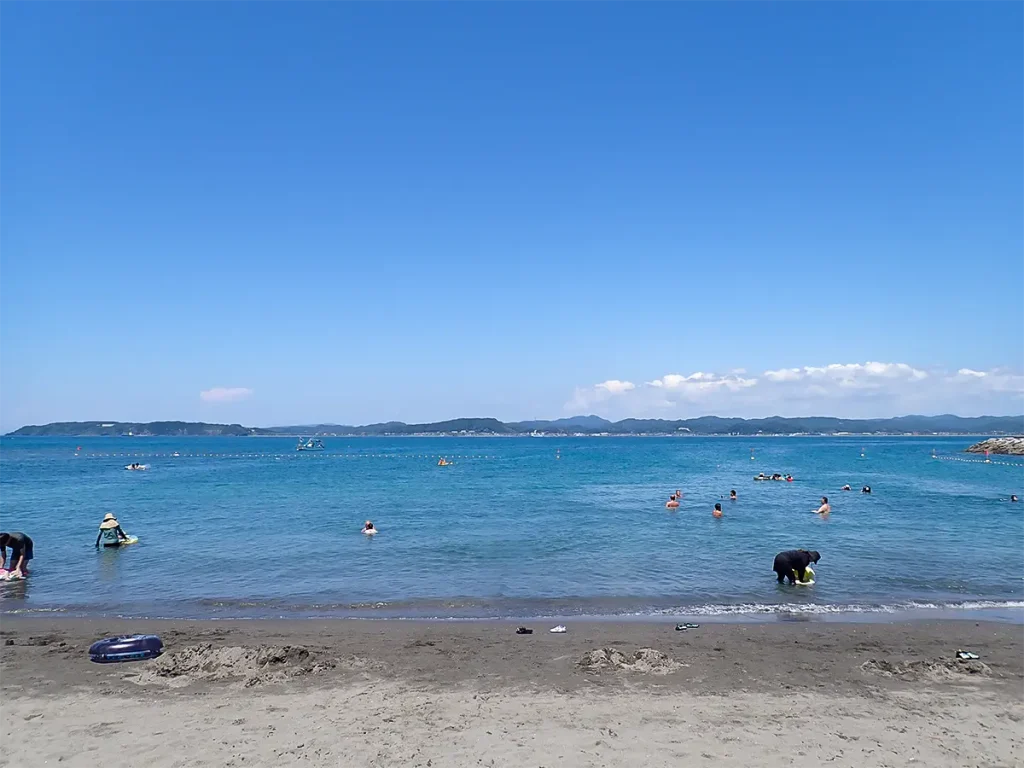
When we reached the beach, a few people were already out in the water.
ビーチに着いたらすでに海に入っている人がちょこちょこいました。
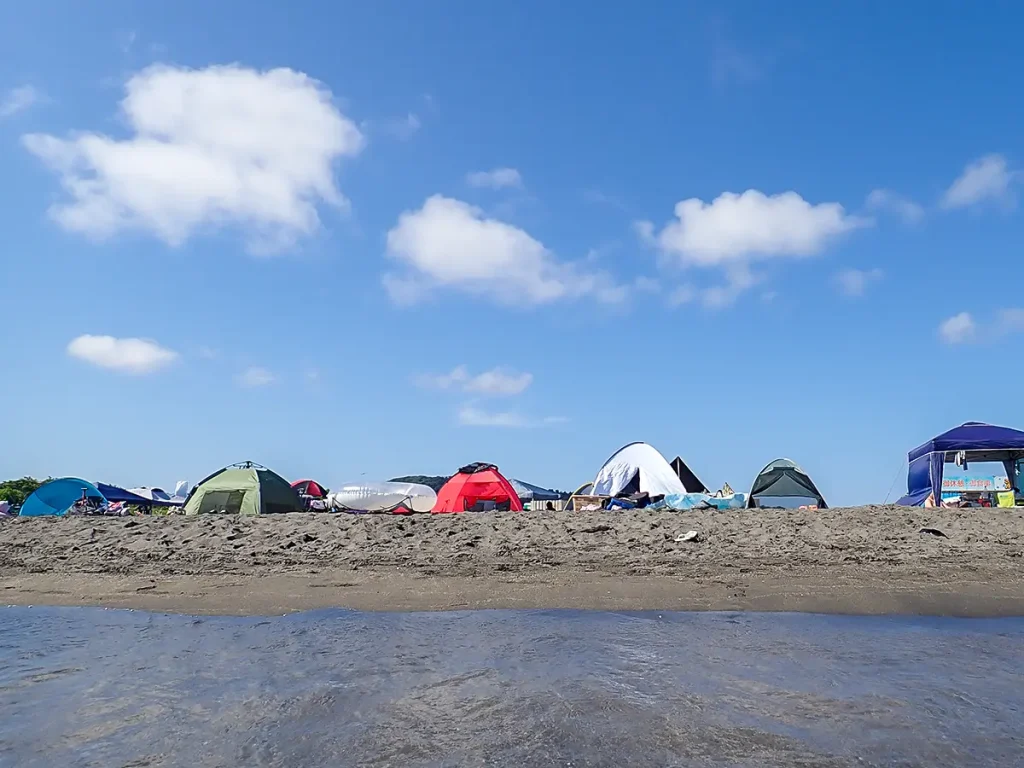
There were also plenty of tents set up.
We set up ours in a nice spot, too.
By the way, the beach huts open at 9:00 AM.
テントも沢山。
私たちも適当な場所に設置しました。
ちなみに、海の家は9時からだそうです。
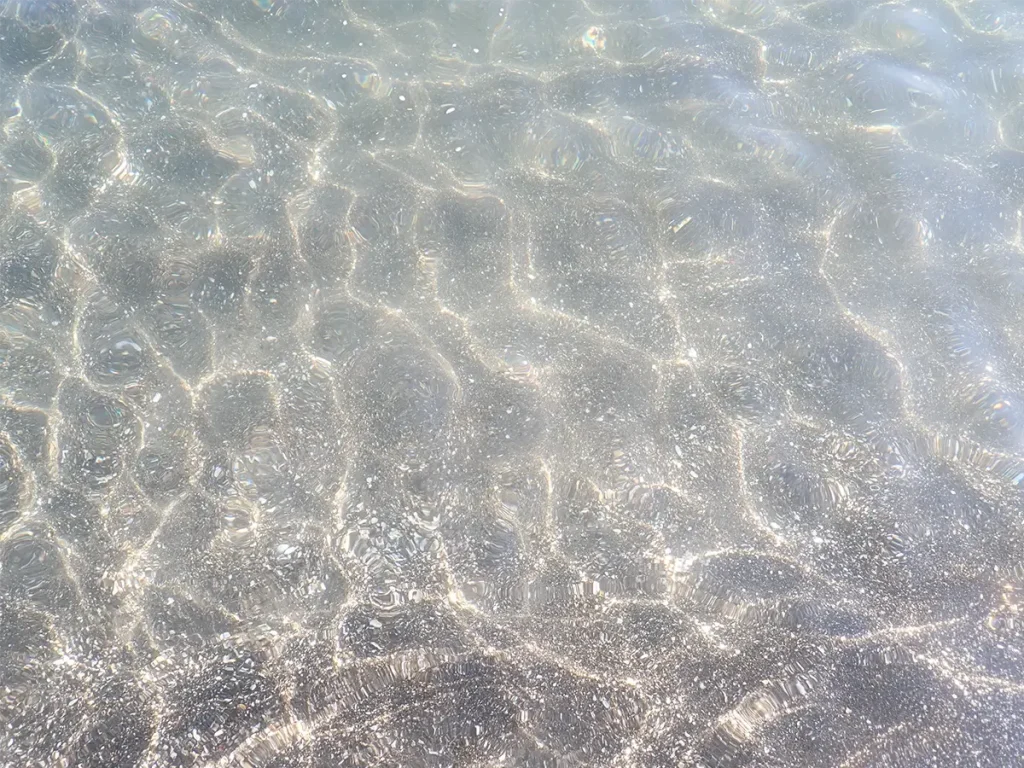
Here’s the shoreline.
The water is so clear!
Since our snorkeling session was scheduled for 9:00 AM, we played in the water for a bit before heading to the meeting point.
I think there were more than 10 participants in our group.
After about 30 minutes of instructions and warm-up stretches, we took a souvenir photo on the beach and headed into the water.
They took photos for us by family, group of friends, and other groups.
We practiced a little more in the shallows before setting off.
Some kids, who were trying snorkeling for the very first time, struggled a bit at first with breathing and clearing water out of the snorkel, but got used to it in no time.
波打ち際です。
水が綺麗です。
シュノーケリングは9時からだったので、少し海で遊んでから集合場所に行きました。
お客さんは10人以上いたと思います。
30分程度レクチャーや準備体操などをし、ビーチで記念写真を撮影後、海に入りました。記念写真は家族ごとやグループごとなどで撮ってくれました。
海でも少し練習してから出発になります。
シュノーケリングを初めてやる子供は、最初ちょっと息の仕方や水抜きなどで苦戦していましたがすぐに慣れていました。
🔍 Click on the image to enlarge.
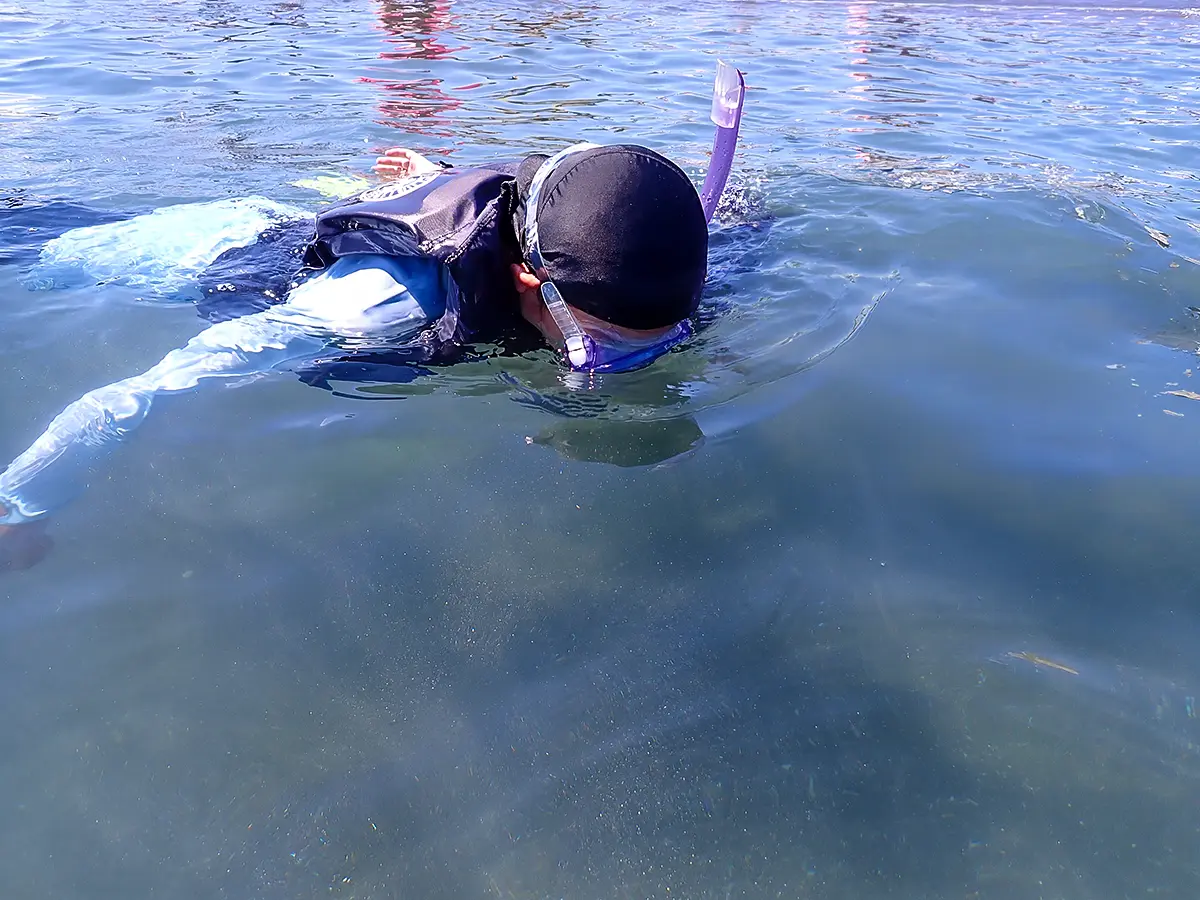
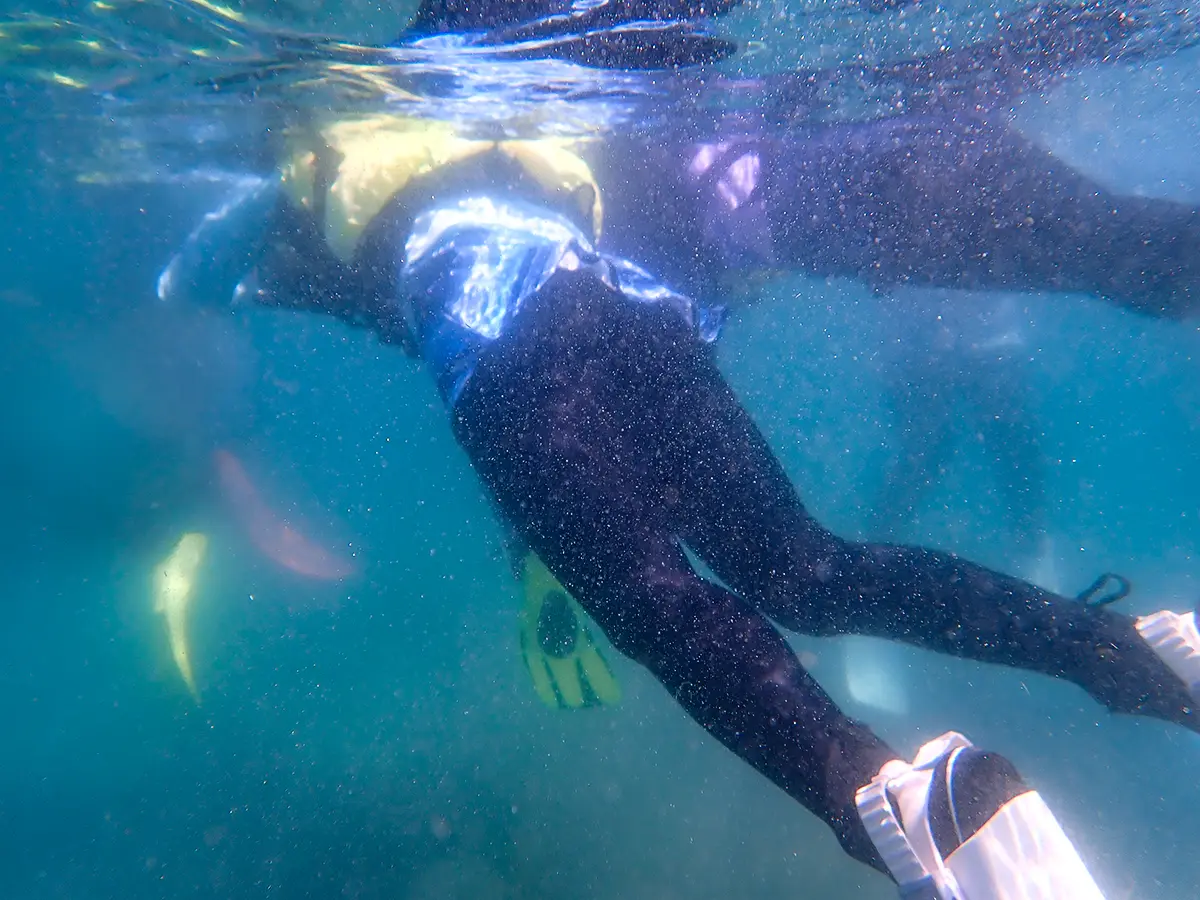
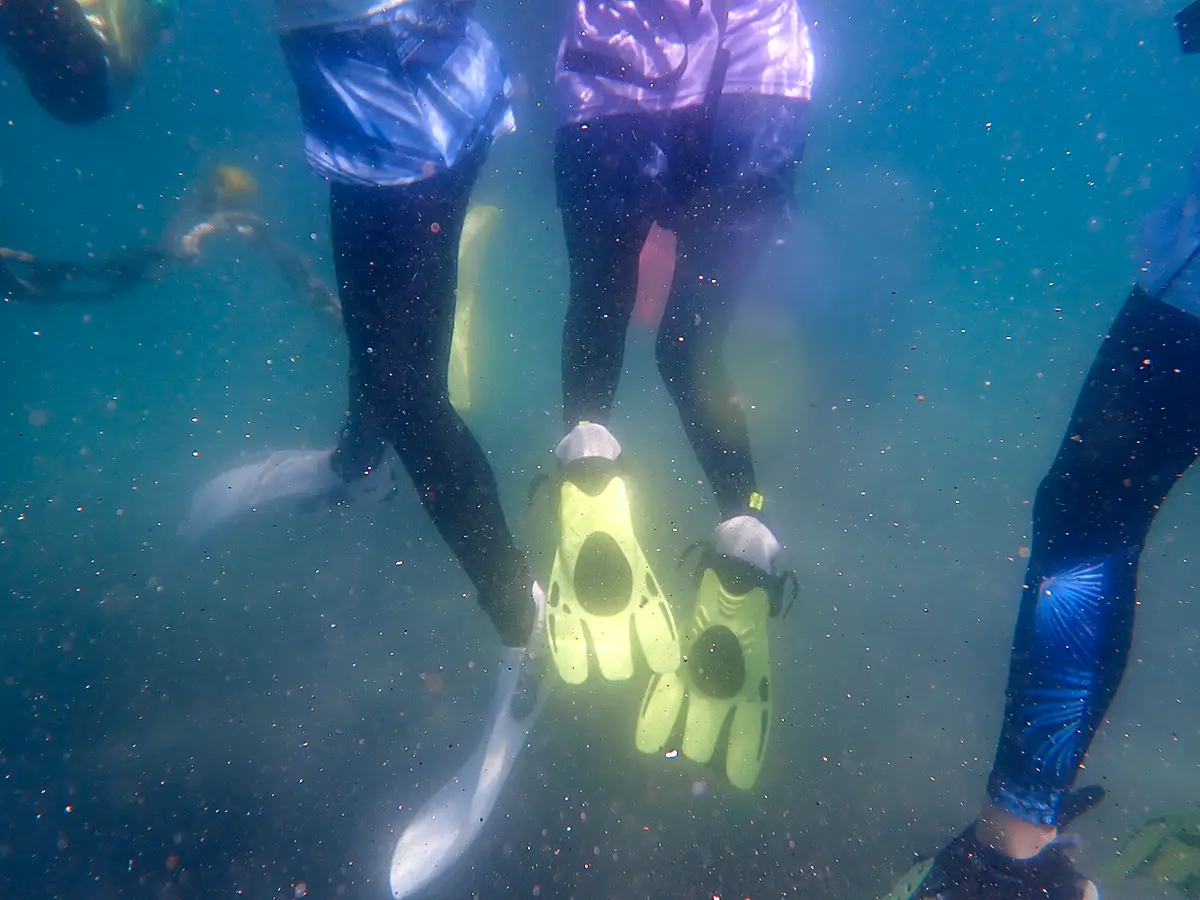
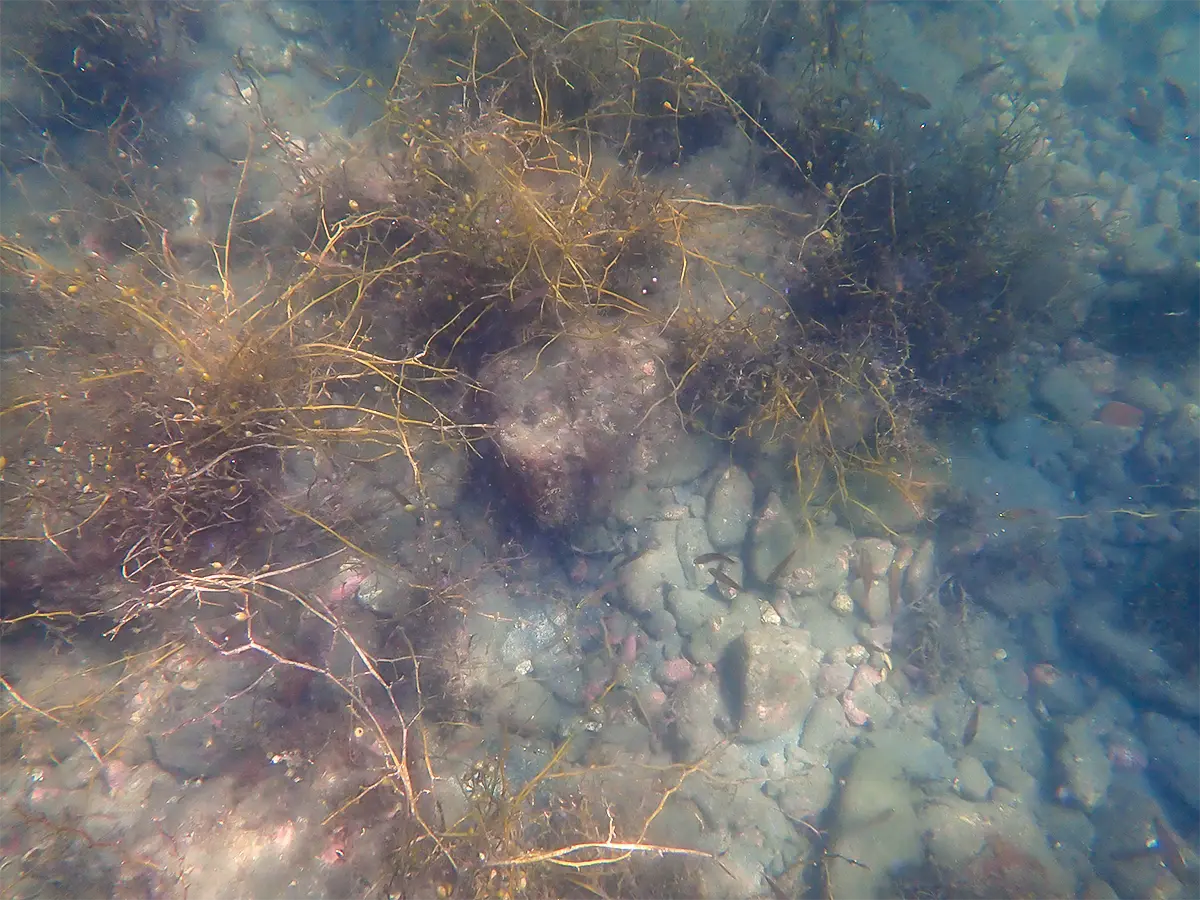
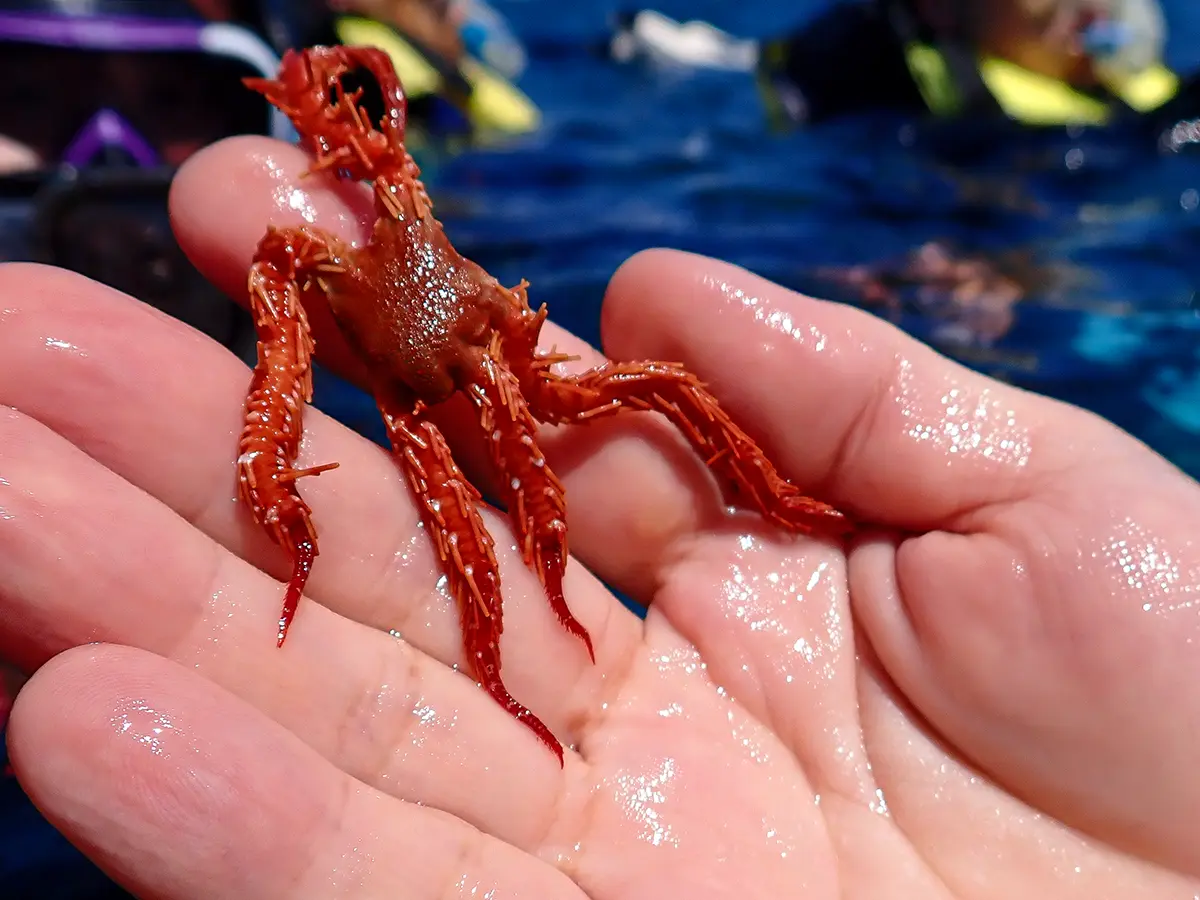
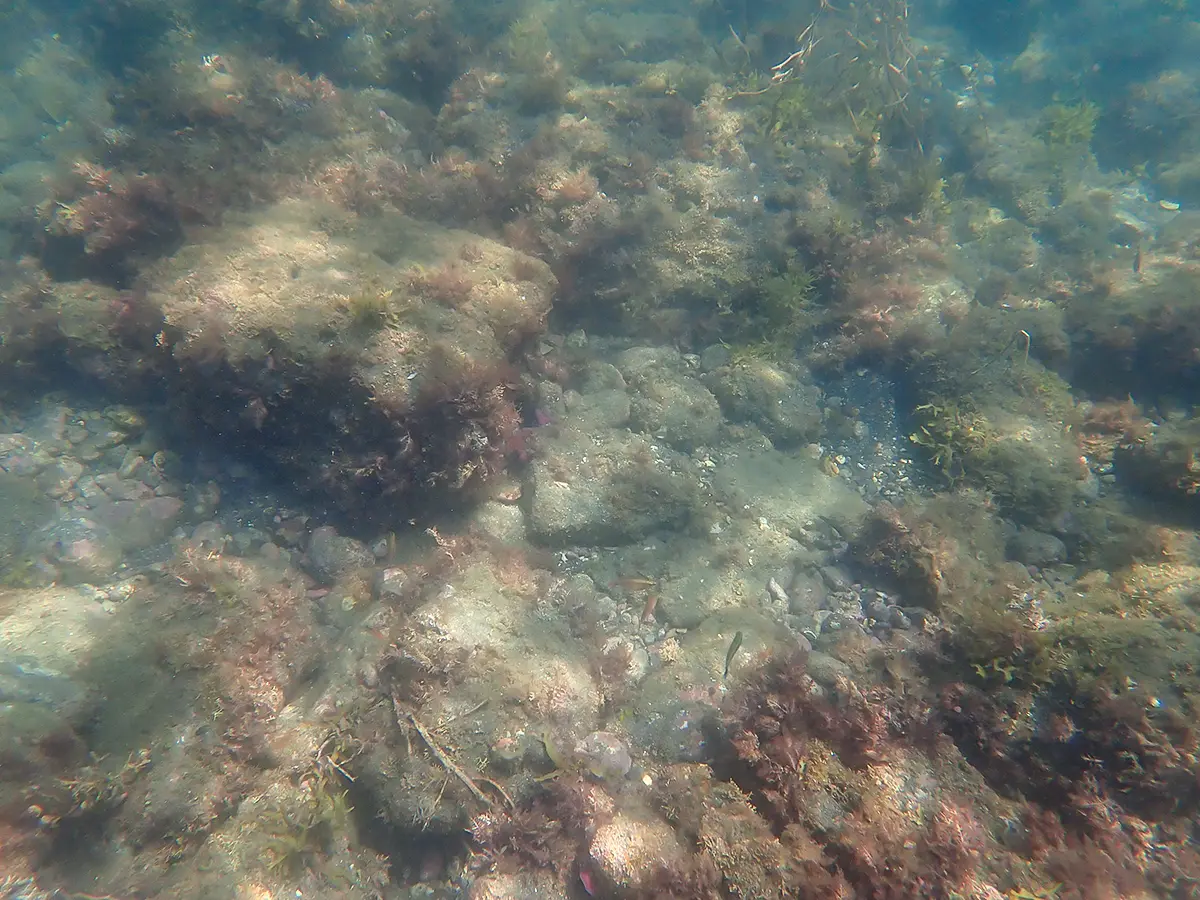
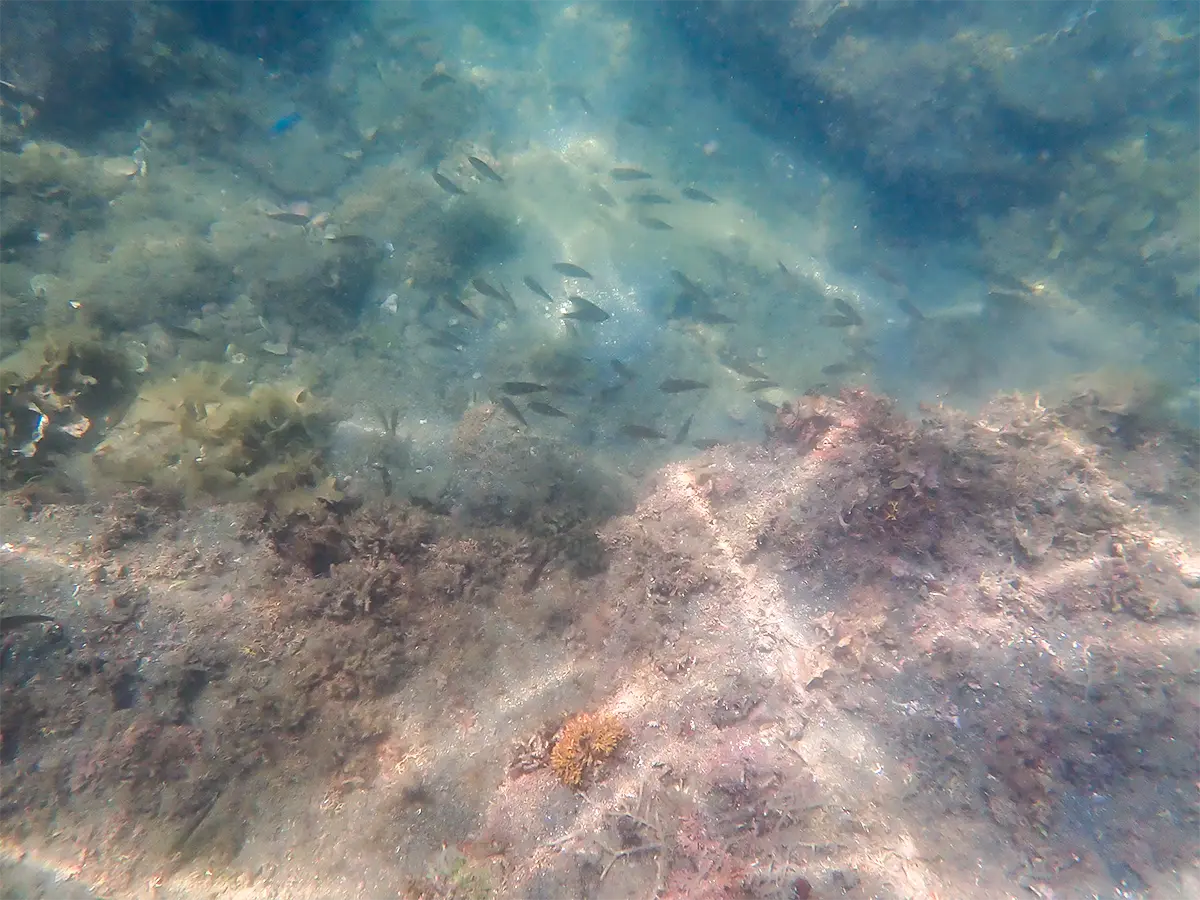
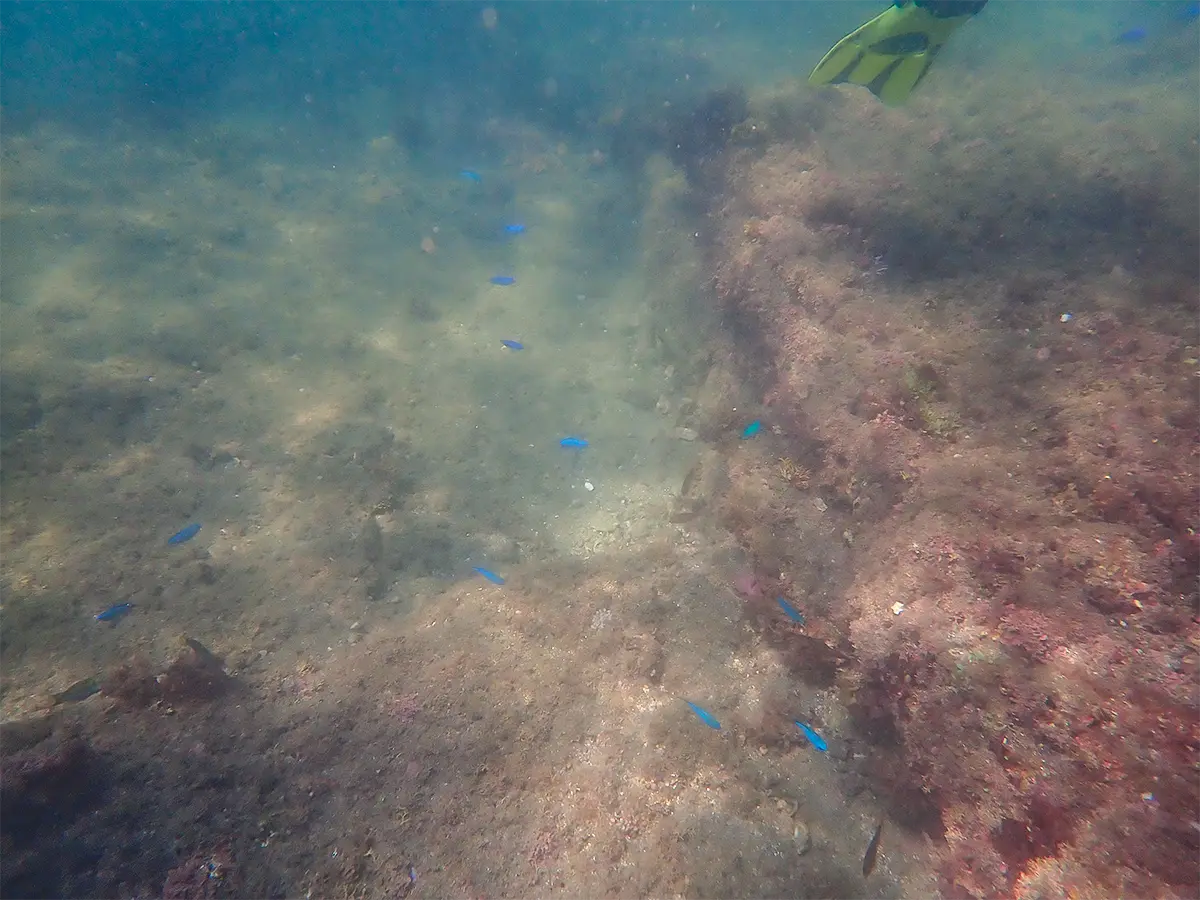
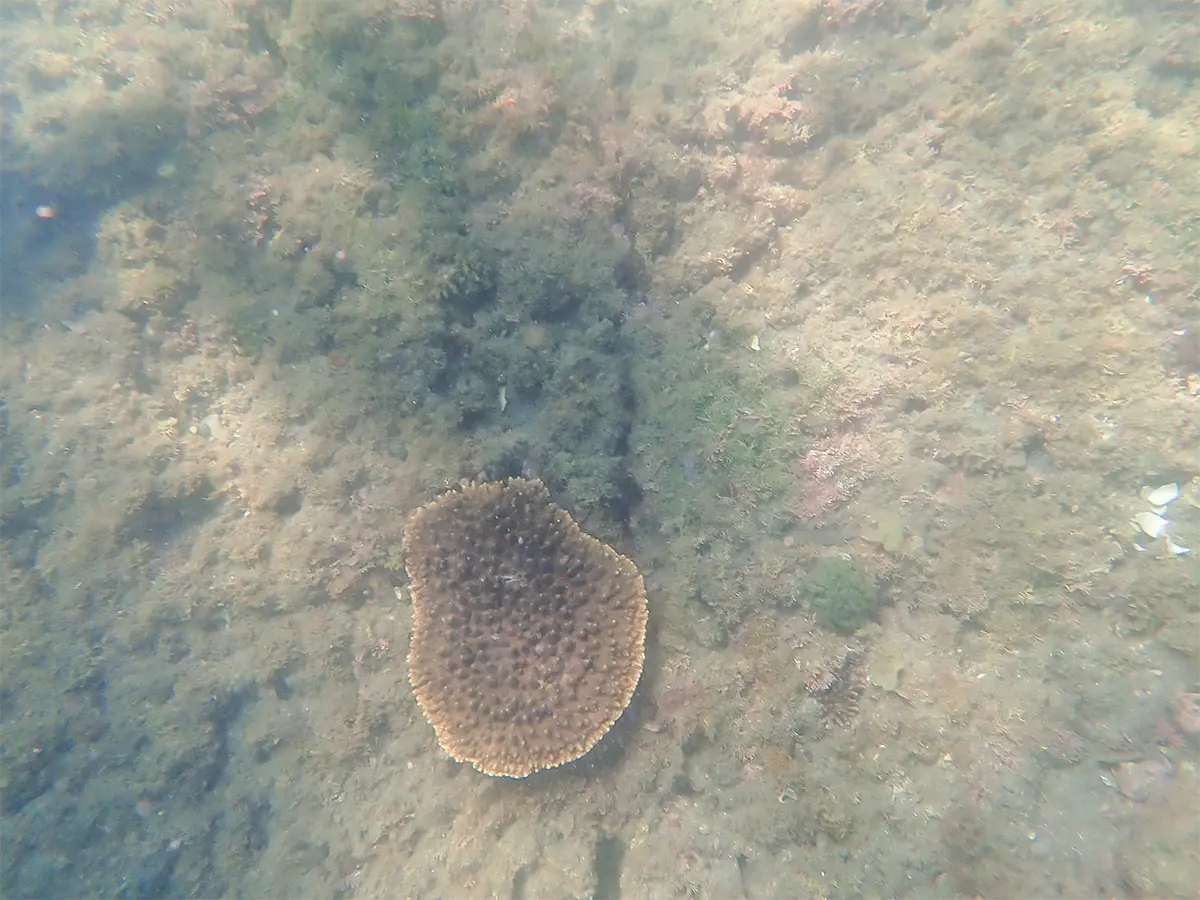
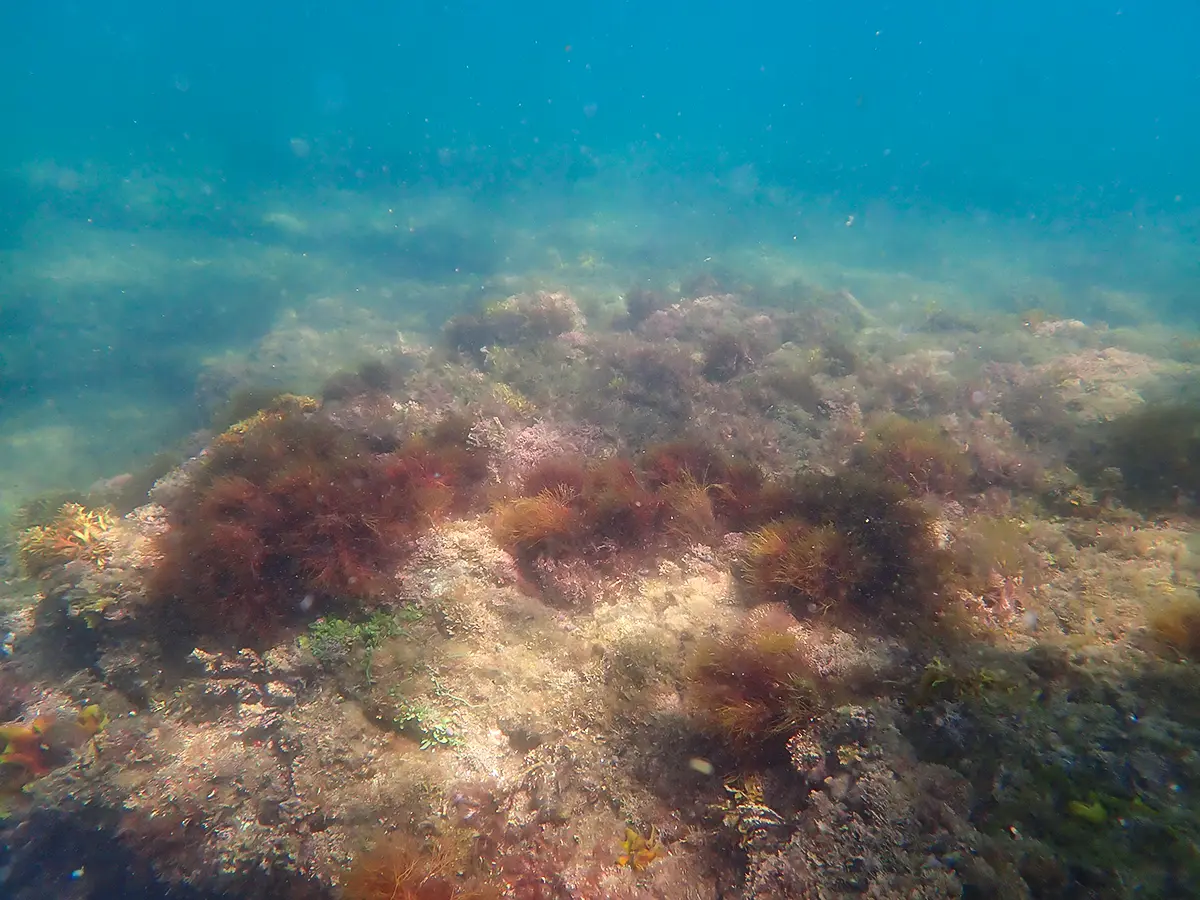
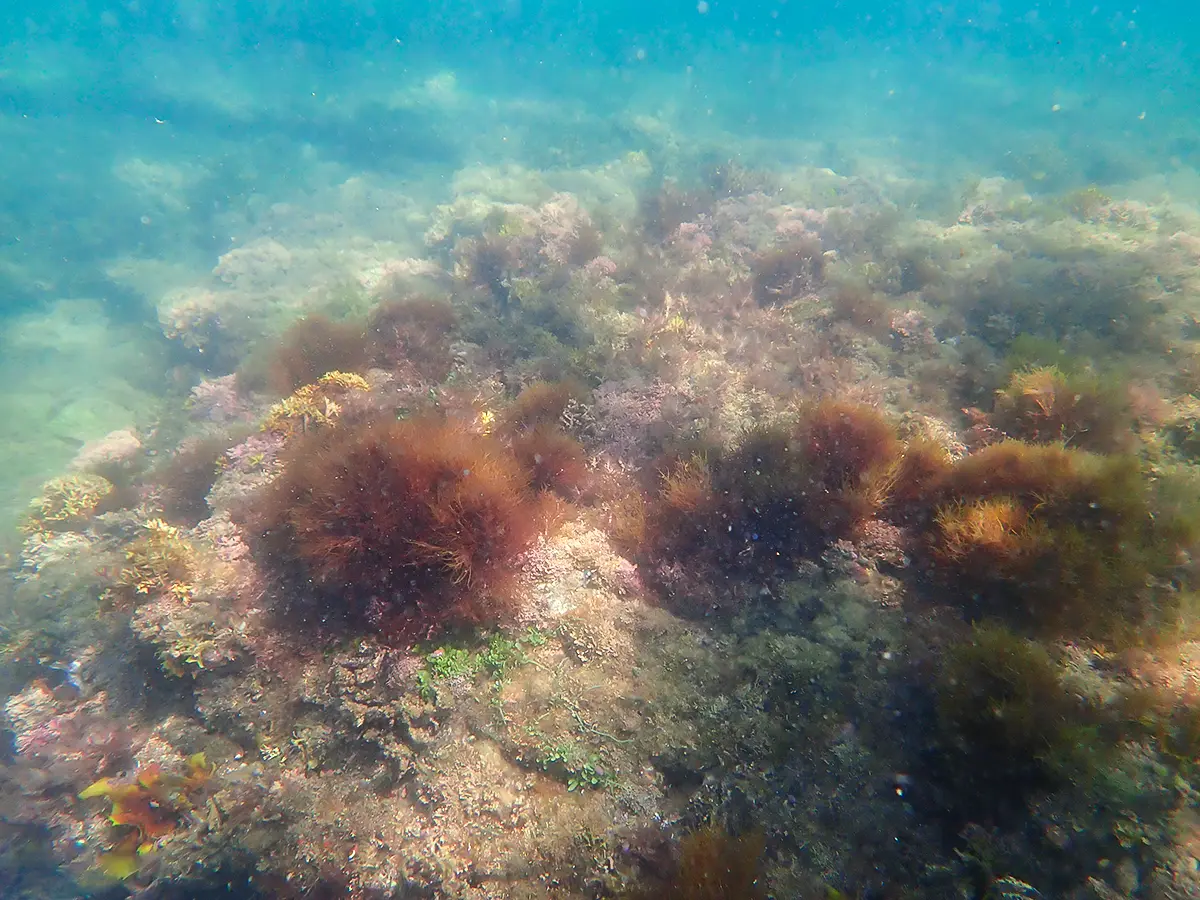
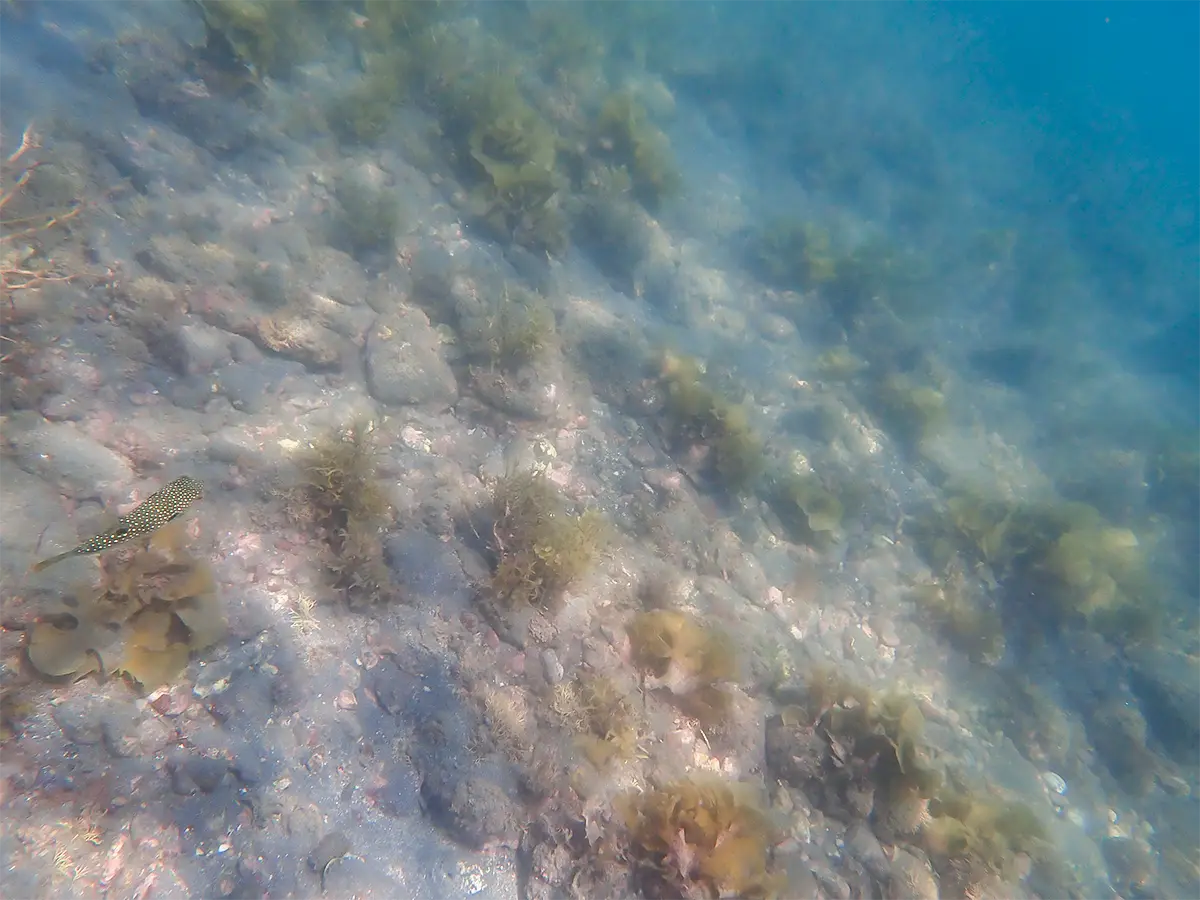
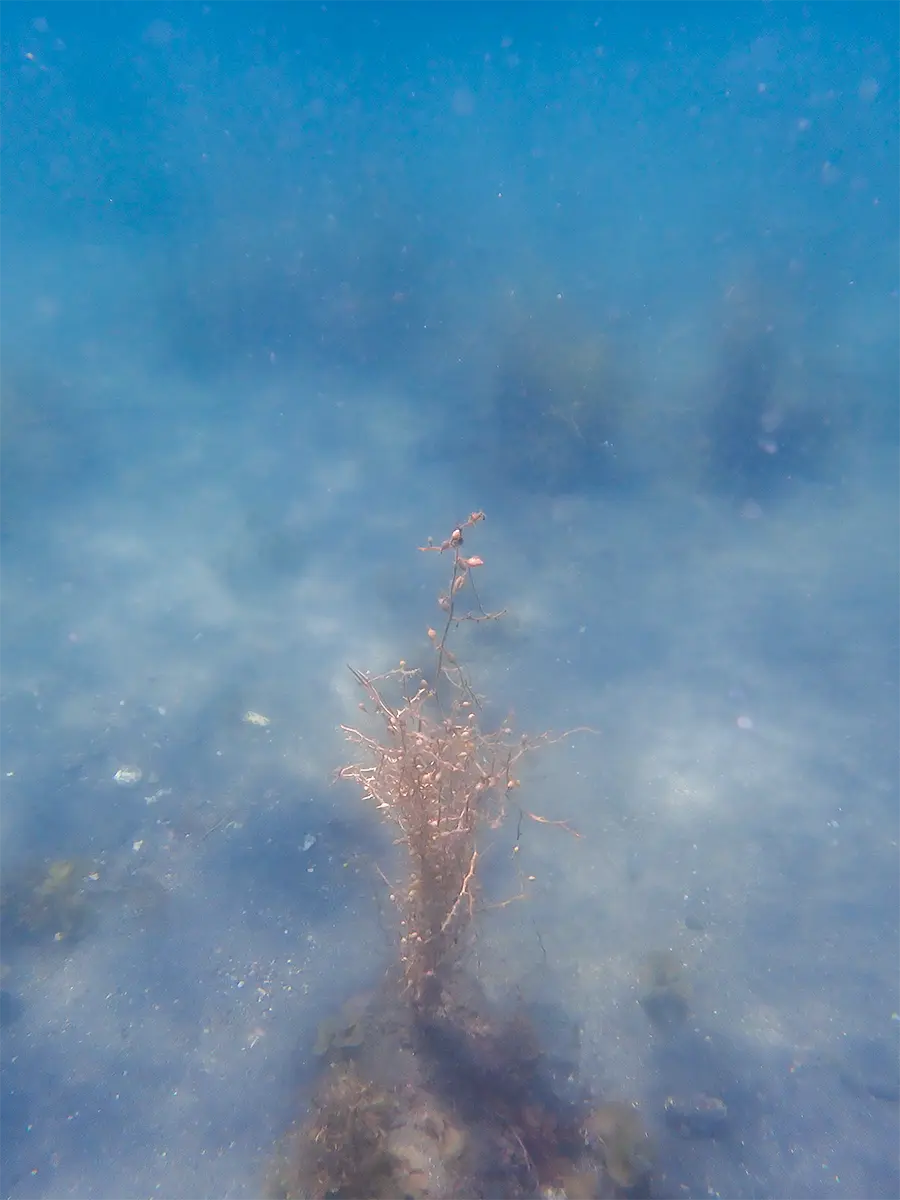
It was so much fun again this time!
An elementary school boy in our group seemed to know a lot about fish, excitedly calling out all kinds of names as we swam.
今回も楽しかったです。
参加していた小学生の男の子はお魚に詳しいらしく、あれこれ名前を言って興奮していました。
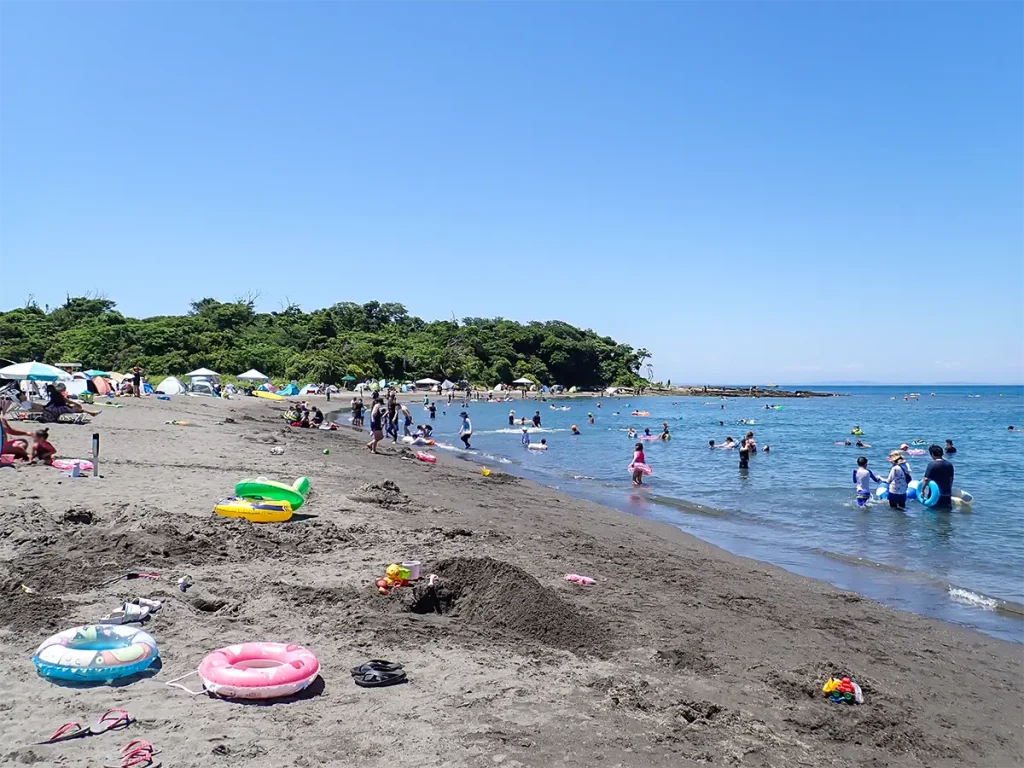
After snorkeling, we grabbed lunch at a beach hut and headed back to the sand.
It was much livelier than in the morning!
シュノーケリング後は海の家で昼食を食べ、再びビーチへ。
朝よりだいぶ賑わっていました。
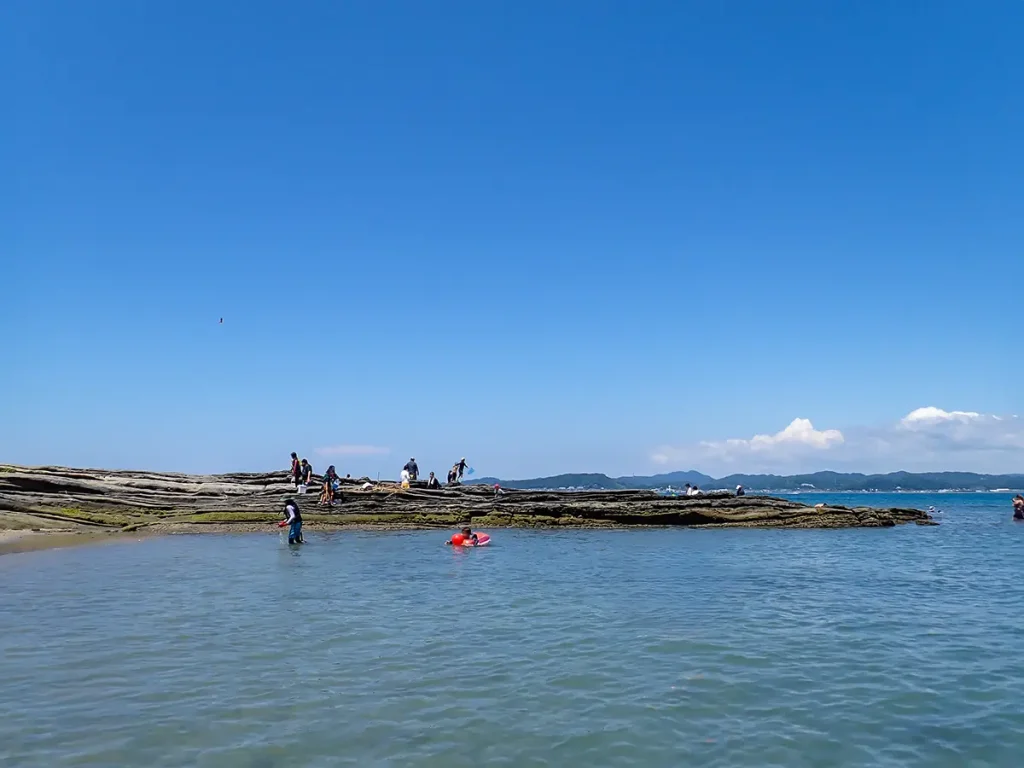
On the way, we took a stroll toward the rocky area.
途中で岩場の方へ散策に。
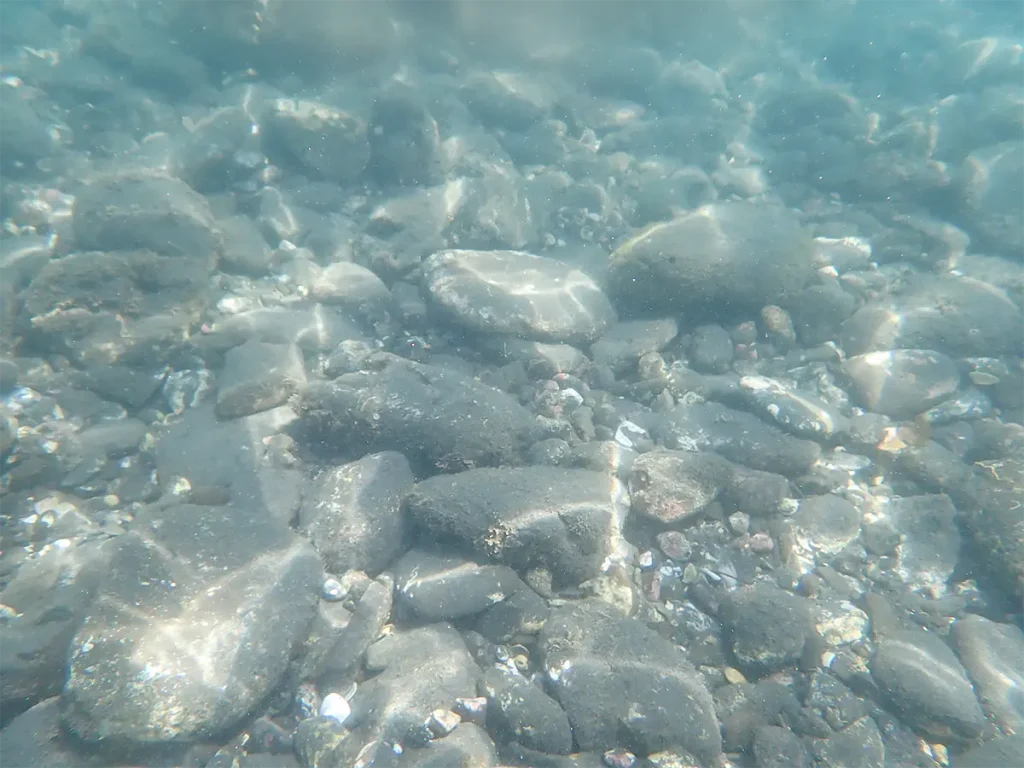
The shallow area right before the rocky shore was covered in lots of stones.
いわば手前は石が多かったです。
🔍 Click on the image to enlarge.
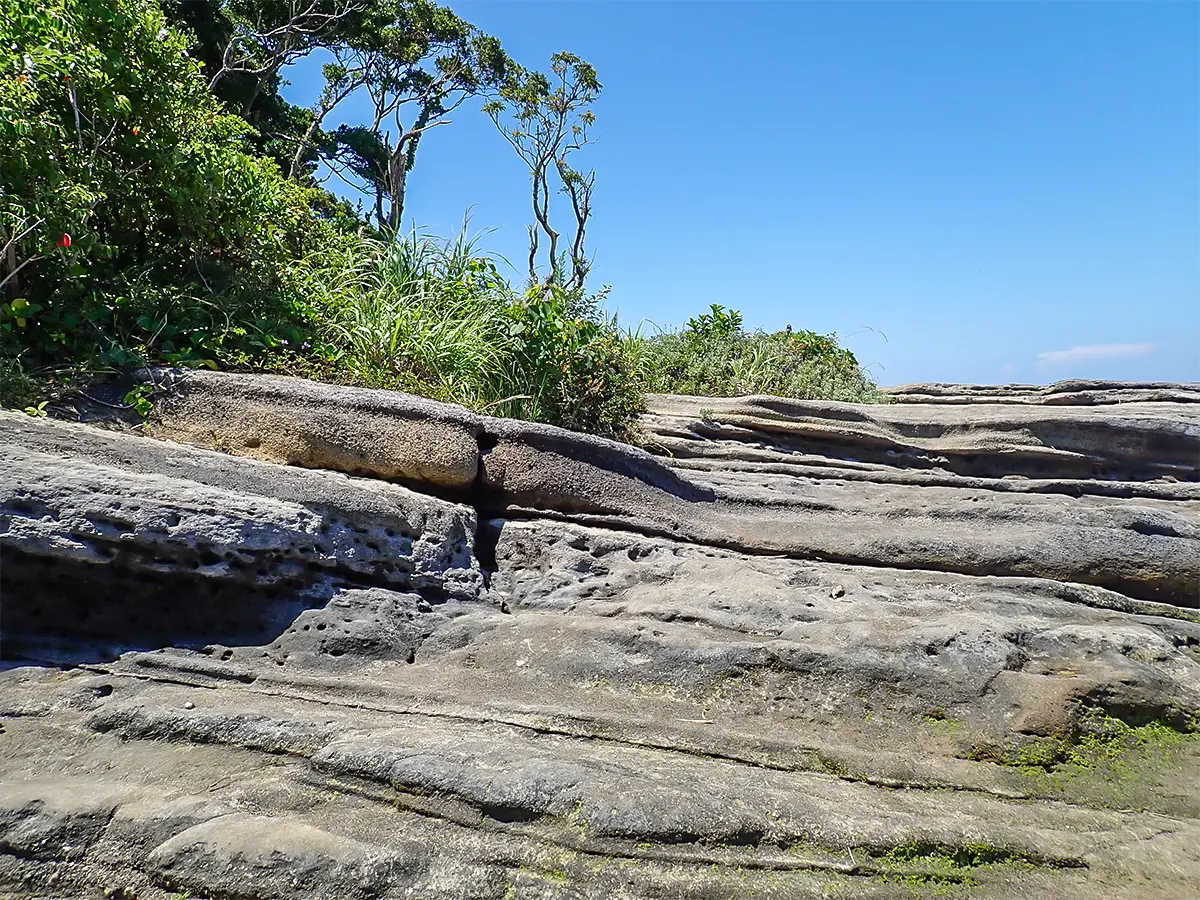
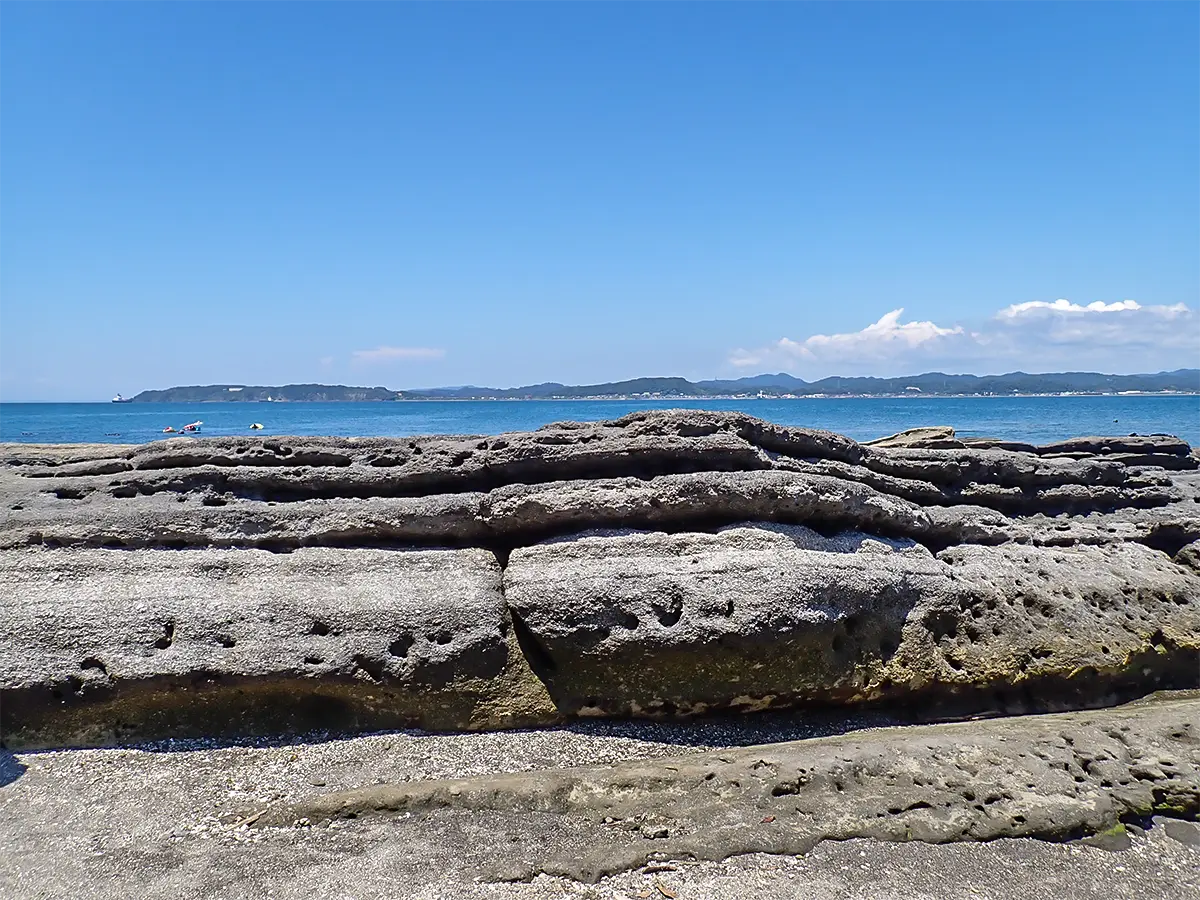
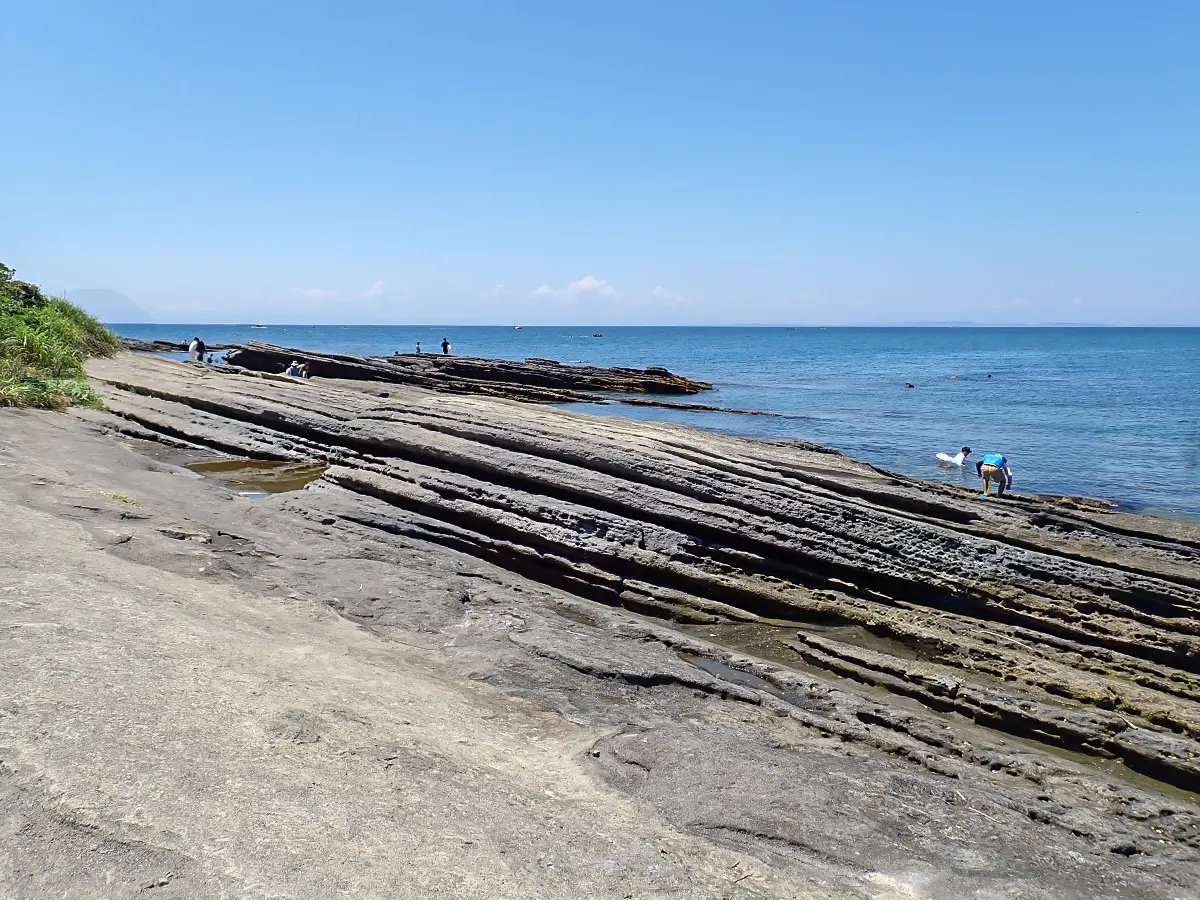
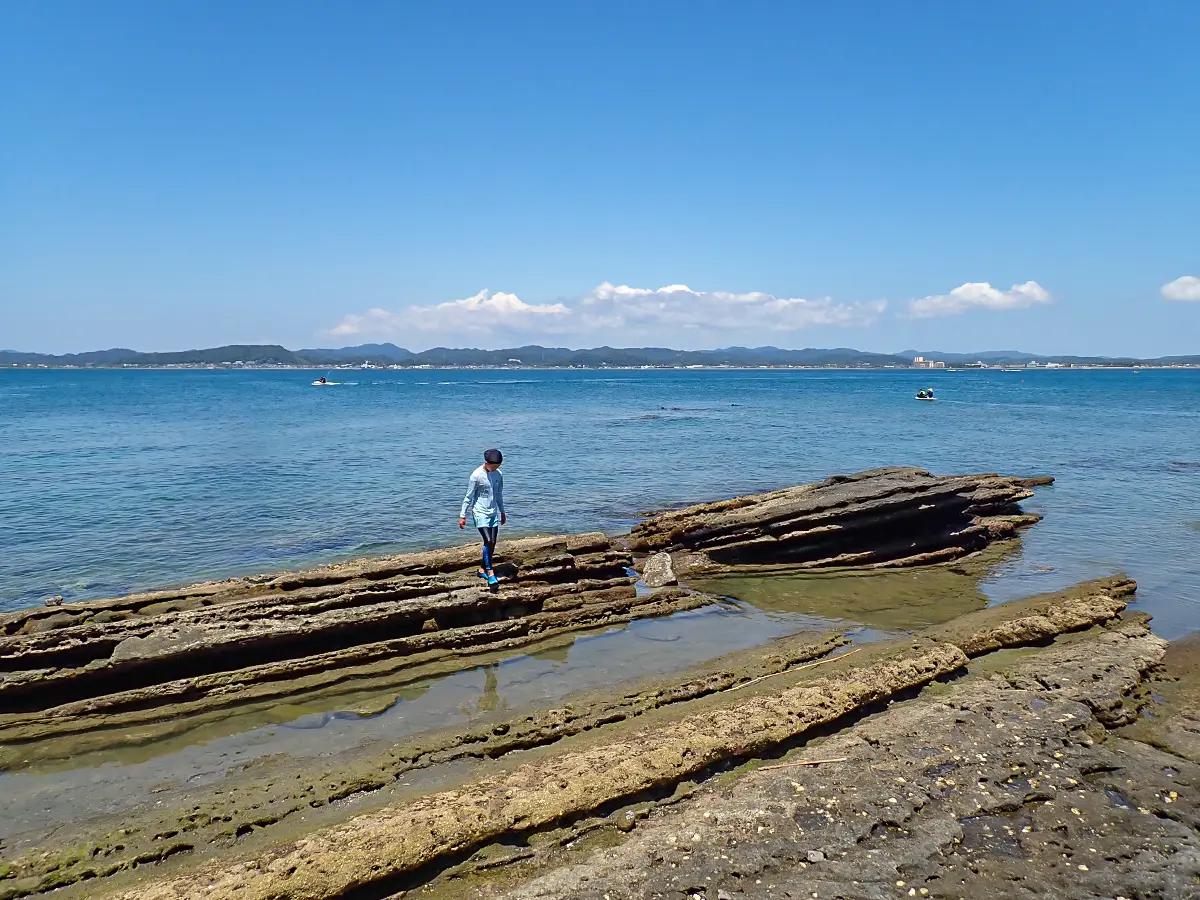
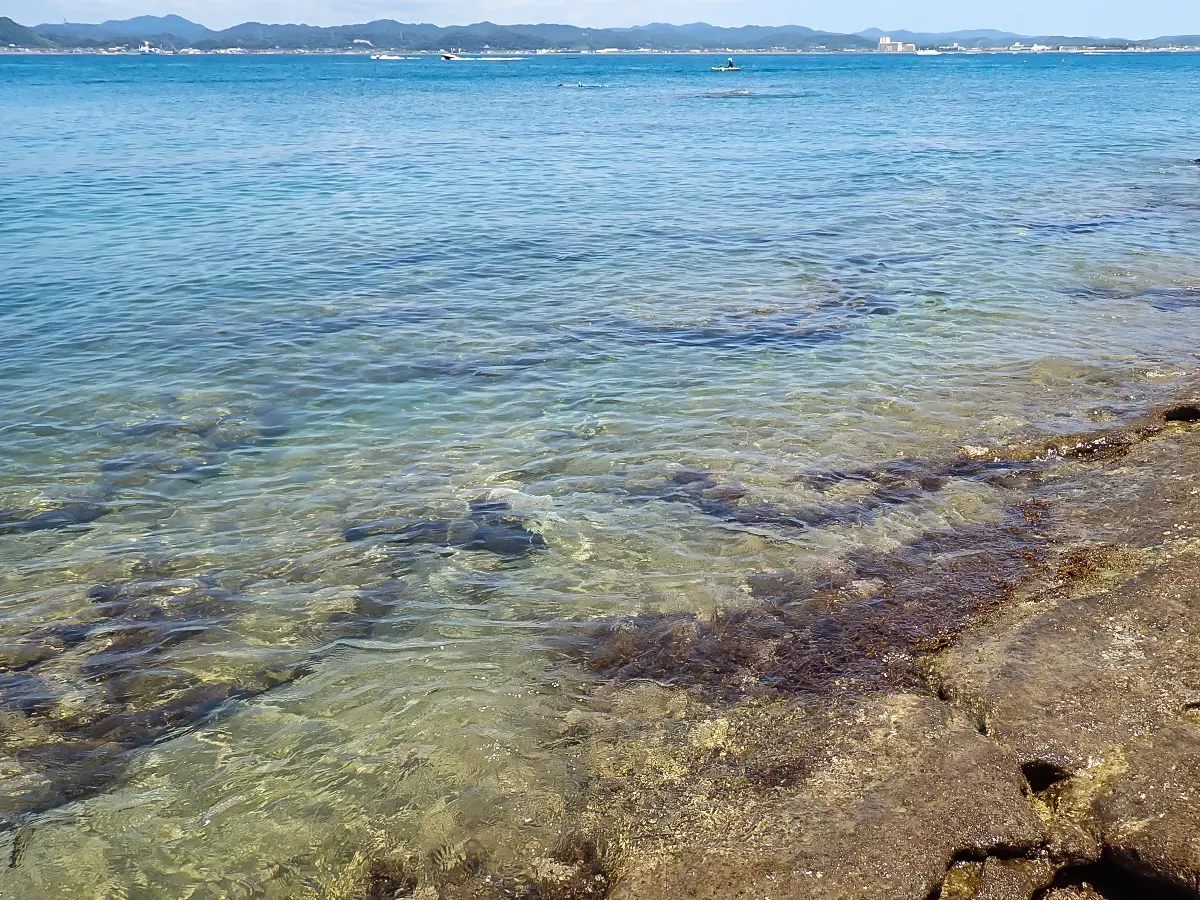
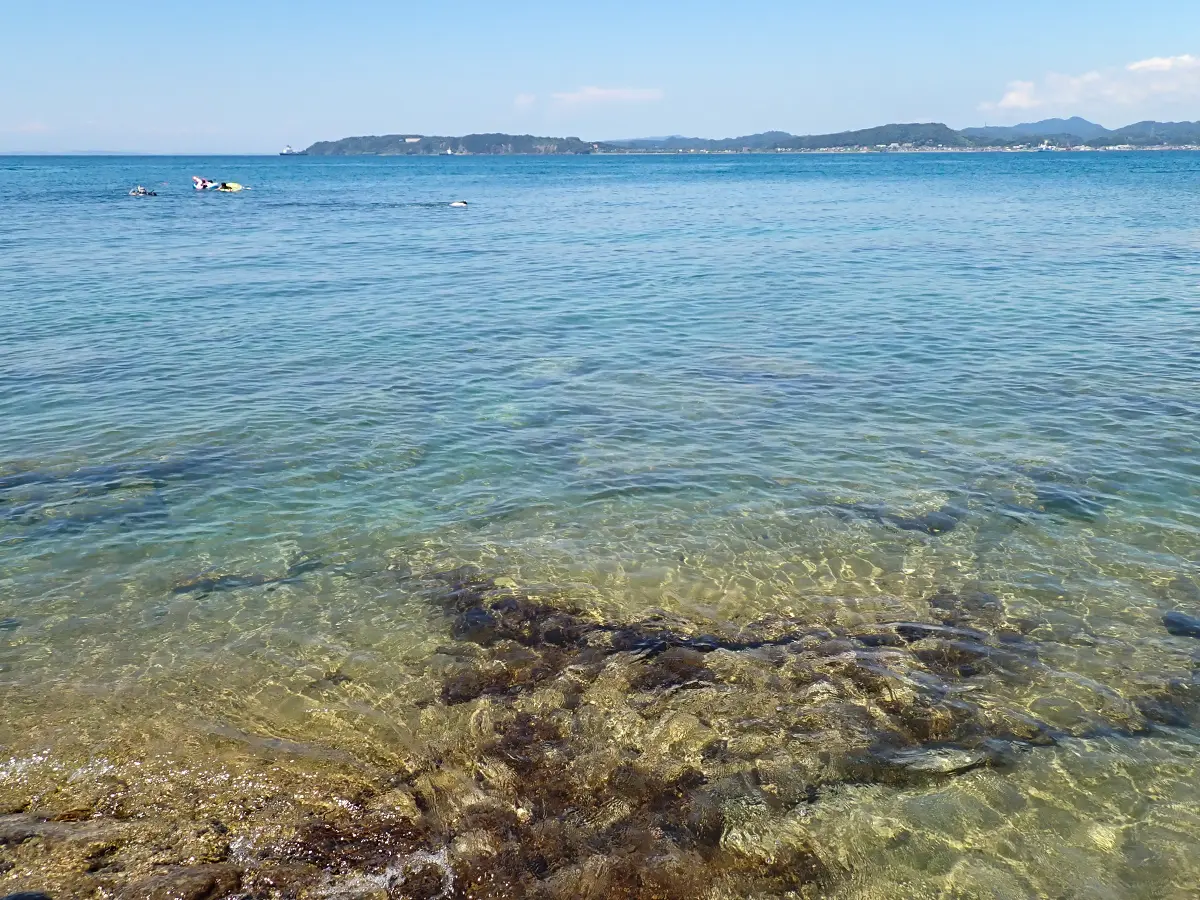
Looking at a map carefully afterward, I noticed several other interesting spots, like shell-collecting points and caves.
We’ll save those for next time, too!
The beach has stones and shell fragments. There are also rocky areas, so marine shoes (water shoes) are recommended.
後で地図をちゃんと見たら、貝殻が拾えるポイントや洞窟など、面白そうな場所がいくつかありました。
合わせて次回ですね。
ビーチは石や貝殻の破片があります。岩場もありますので、マリンシューズがあった方が良いです。
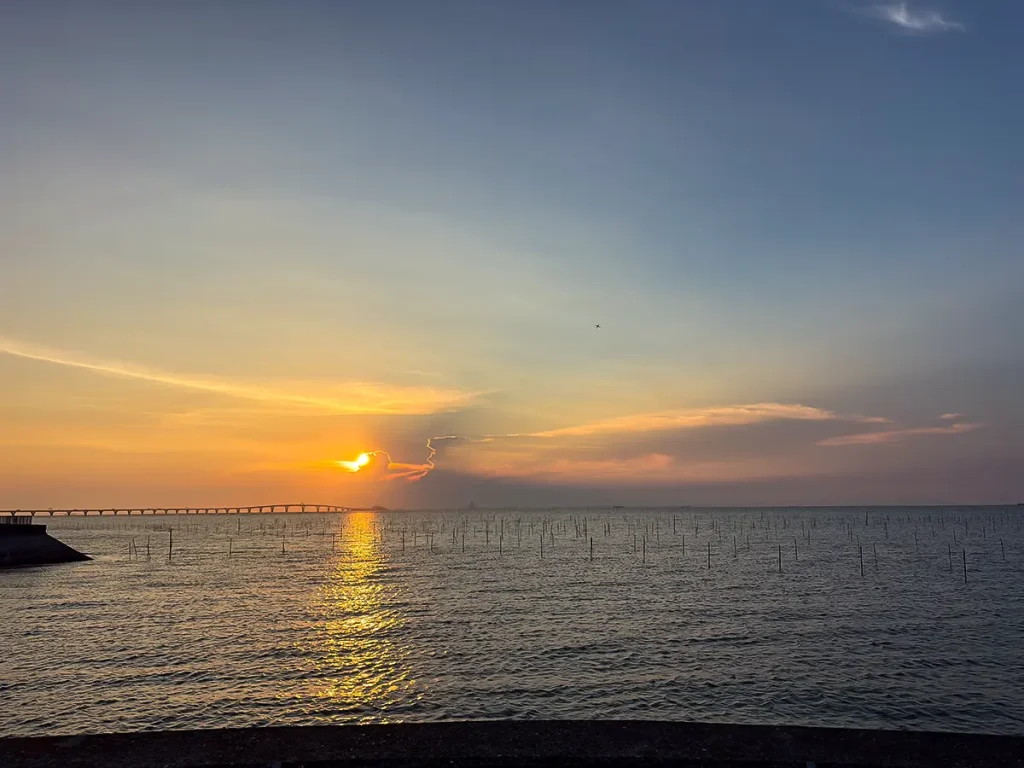
On the way back, it was right around sunset, so we got off the highway at Kisarazu and headed toward the famous photo spot with the submerged utility poles in Ushigome Coast.
However, even though we got pretty close, every path leading up to them was blocked by “No Entry” signs, so we had to give up.
Still, we got to see a beautiful sunset!
Note: The coast area is closed to the public outside of the Shiohigari (clam-digging) season.
In 2026, the season ran from Friday, March 20 to Sunday, July 5.
Unfortunately, I was just a bit too late—the clam-digging season had already ended.
帰りはちょうど夕日の時間帯だったので、木更津で高速を降り、有名なフォトスポット、牛込海岸の海中電柱を目指しました。
しかしながら、近くまで行けたけど、その先がどの道から行っても立入禁止の看板が立ちはだかり、断念。
でも、綺麗な夕陽は見れました。
注意:牛込海岸は潮干狩りシーズン以外は一般の立入は禁止になっています。
2026年度は3月20日から7月5日まででした。
残念ながら一足遅く、潮干狩りシーズンは終わっていました。
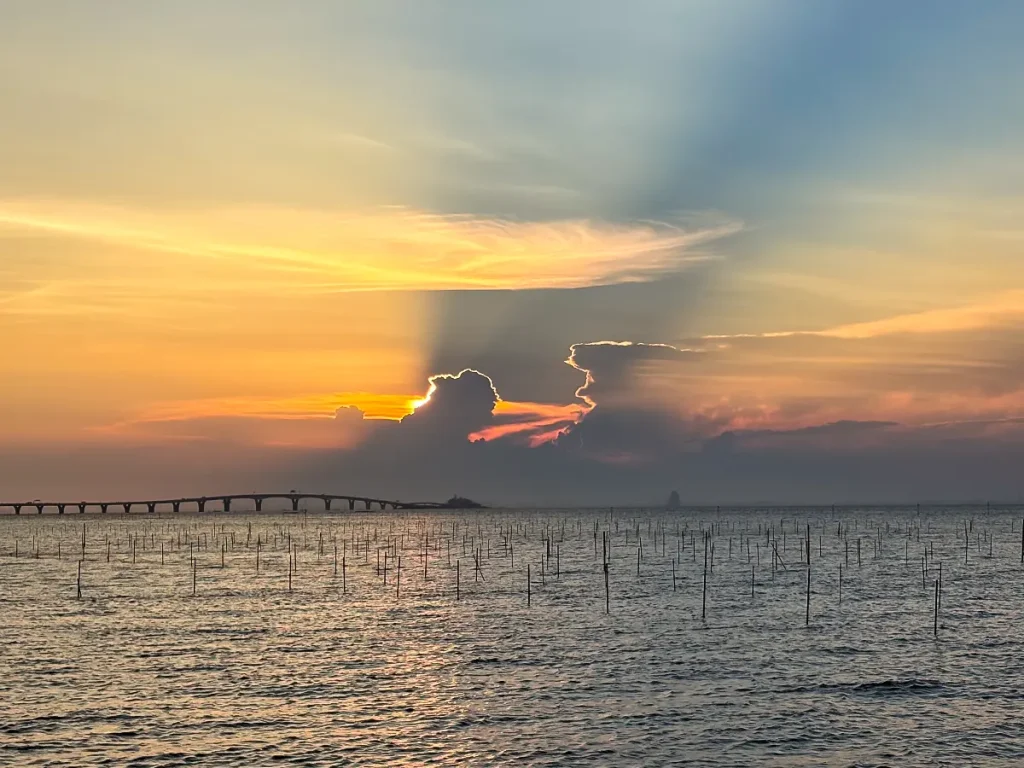
The bridge in the photo is the Tokyo Bay Aqua-Line.
The countless thin poles sticking out of the water in the foreground are supports used for seaweed (nori) farming.
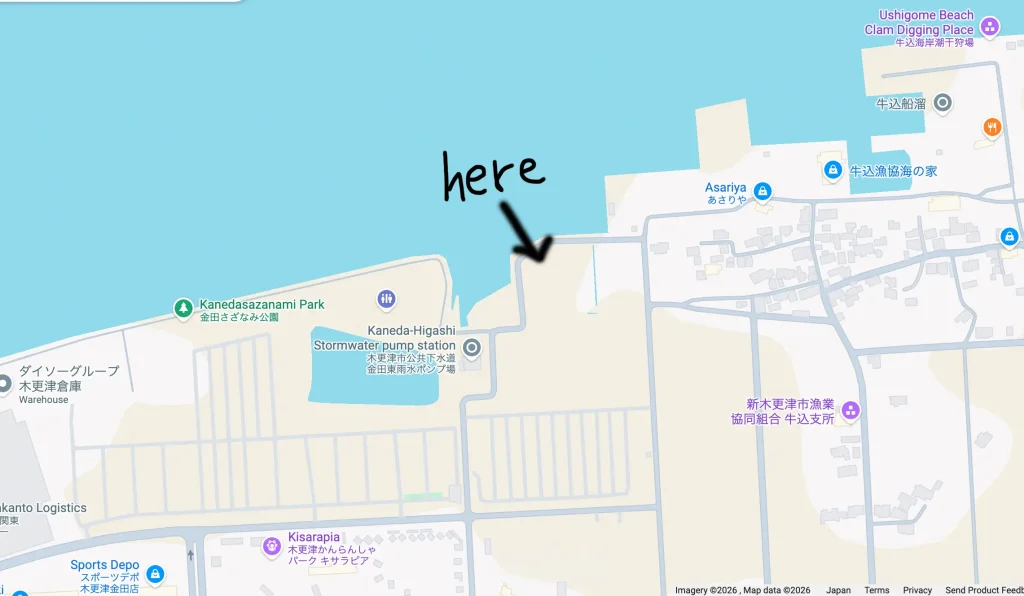
This photo was taken just to the left of Ushigome Fishing Port, facing the sea.
It turned out to be a really nice spot!
写真の橋は東京湾アクアライン。
手前の海に無数に突き出している細い棒は海苔の養殖のための支柱です。
撮影場所は牛込漁港の海に向かってすぐ左の辺りです。
なかなか良いスポットでした。
(Note: On August 13th, Chiba Prefecture suffered severe damage from heavy rainfall. Sending our best wishes for a swift recovery to everyone affected.)
※8月13日に千葉県で大雨の被害がありました。
1日も早い復旧をお祈り申し上げます。